

Pain.Source.Motion. — Dr. Alireza Rahimi
Physical Medicine & Rehabilitation Specialist, Pain Fellowship Tabriz
Where it hurts is not always where the pain comes from. Here you can read how the source is found, and what the plan for getting back to daily life involves.
Where it hurts is not always where the pain starts.
Dr. Alireza Rahimi is a physical medicine and rehabilitation specialist with a pain fellowship in Tabriz. This specialty deals with the brain, spinal cord, nerves, bones, joints and muscles, and it asks one question: where does this pain or disability come from, and how do you get back to daily life? If you have been living with back pain, neck pain, sciatica or numb hands and feet, or someone in your family needs rehabilitation after a stroke or nerve injury, this site is for you.
More about the doctorFive things this specialty does, in plain words.
These pages explain what each one is, how it is done and what side effects it may have. Which one suits you is decided after an examination.
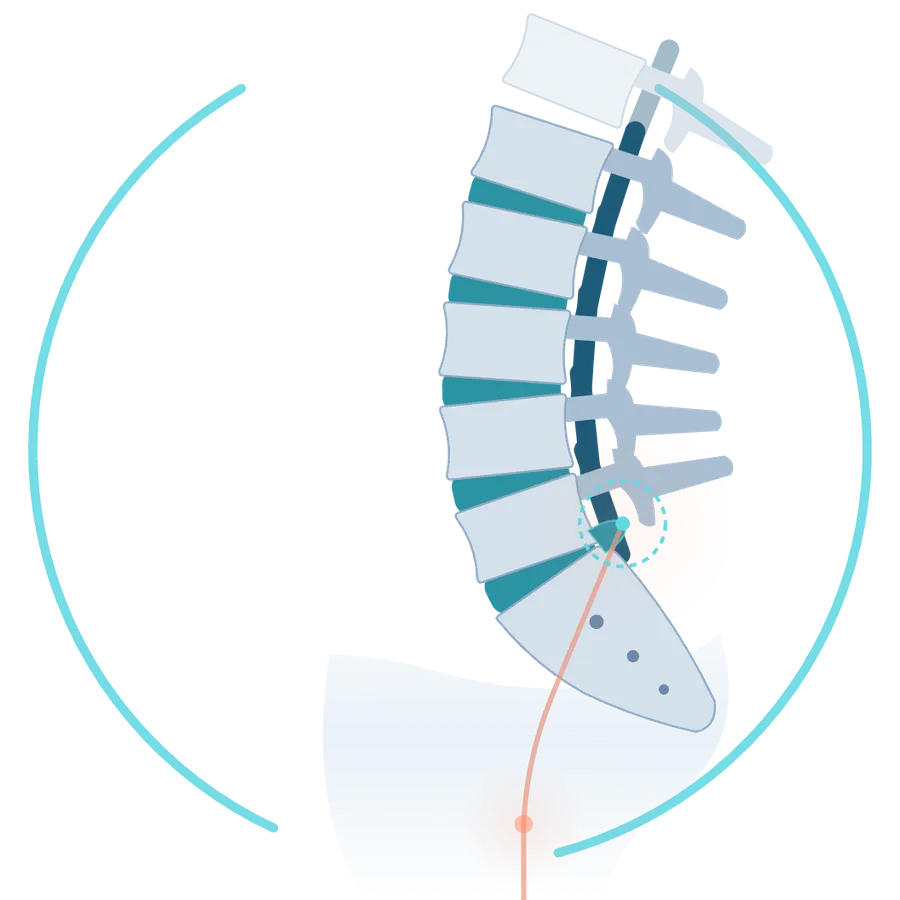
Interventional pain care
Precise injections near a nerve root or the joints of the spine, guided by imaging. For pain that has not eased with exercise and medicines. The aim is less pain, so you can move again.
Read moreJoint and soft tissue injections
For a painful, inflamed joint or tissue. It eases the symptoms but does not remove the cause.
Read moreNerve and muscle tests
A test that shows how nerves and muscles are working. For numbness, tingling and weakness.
Read moreExercise therapy and rehabilitation
A movement plan for the back, neck and joints, and for returning to work. The main part of treatment for most pain.
Read moreNeurological rehabilitation
After a stroke or spinal cord injury: a team that stands with the patient and family on the way back to daily life.
Read more
From hearing your story to getting back to work
Long-lasting pain rarely ends with one prescription or one injection. Each stage has a clear job, and you know what is coming before it starts.
- Step 1 of 5.
Listening and examining
Where is the pain, when did it start, and what makes it better or worse? Then comes the examination: movement, muscle strength, reflexes and sensation. Bring your scans and details of earlier treatment.
- Step 2 of 5.
Finding the source of the pain
If the examination alone is not enough, an MRI or a nerve and muscle test can help. Scan findings only mean something when they fit your symptoms and your examination.
- Step 3 of 5.
Building the plan
We agree the goal together: what do you want to be able to do again? The plan may be exercise, medicines, an injection or a mix of these, and sometimes a referral to a surgeon.
- Step 4 of 5.
Treatment and exercise
An injection, if you need one, is usually a chance to exercise and does not replace it. Most of the work is done through movements you do at home and in physiotherapy sessions.
- Step 5 of 5.
Follow-up and getting back to work
At follow-up we look at what has helped and what has not, and change the plan to match. Progress is measured by the things you can do again.
With you through diagnosis, treatment and follow-up.
The patient support form has four sections: imaging, referral to doctors, rehabilitation and health, and care at home.
Medical imaging centres
MRI with quick appointments and quick results.
Referral to doctors
Quick appointments and referrals to specialists and subspecialists, arranged by the support team.
Rehabilitation and health professionals
Quick appointments and referrals to rehabilitation and health professionals, arranged by the support team.
Care at home and rehabilitation
Specialist care and rehabilitation at home.
Wherever the form says "free", that service is free.
What is your question right now?
Tap your question to get to the answer. This list does not replace talking to a doctor.
- Do I need an MRI for back pain?
- Should I rest or move?
- Is my leg pain coming from my back?
- Why won't my pain go away?
- What do I bring on day one?
- What is a spinal injection like?
- What do I do before an injection?
- What do I do after an injection?
- Does a nerve test hurt?
- How should I move at home?
- Where do we start after a stroke?
Numbness around the genitals or anus, being unable to pass urine or losing control of your bladder or bowels, weakness or numbness in both legs, and back pain that started after an accident do not wait for an appointment. Go to the emergency department at once or call 115, and do not drive yourself. When should I act at once?
Plain answers to the first questions.
What does a physical medicine and rehabilitation specialist do?
This doctor looks at conditions of the brain, spinal cord, nerves, bones, joints, muscles and tendons in terms of function: where your pain comes from and what you can no longer do. They build the treatment plan and work with physiotherapists, occupational therapists and other doctors. A pain fellowship is extra training in diagnosing and treating pain.
Do I need an MRI for back pain?
Not always. Much back pain gets better within weeks, and a scan does not change the plan. Findings such as a disc bulge are also seen in people with no pain at all. Your doctor will say whether you need a scan after examining you.
Should I rest or move with back pain?
Stay active and keep up your daily activities as far as you can. Long spells in bed do not help. If you have warning signs, this advice is not for you: see a doctor at once.
Will I need surgery?
Most people with a slipped disc do not end up needing surgery. If you do not improve with other treatment, or weakness or numbness gets worse, a surgical opinion comes up. It depends on your examination, and we refer you if you need it.
Will an injection fix my pain for good?
Usually not. An injection can ease pain for a while and give you a chance to exercise. It may last from days to months, and for some people it does not work at all. It does not remove the cause either.
Are spinal injections risky?
Yes, like any medical procedure. Common effects are temporary: more pain for a few days, headache, facial flushing and raised blood sugar. Serious problems such as nerve injury or infection are rare. Ask about your own situation before the injection.
Does a nerve test hurt?
Most patients find it mildly uncomfortable. The nerve part feels like a small static shock, and in the muscle part a very thin needle goes into the muscle. The visit usually takes up to an hour.
I take a blood thinner. Can I have an injection?
Do not stop it yourself. Tell the doctor what you take before your appointment, so a decision can be made with the doctor who prescribed it. Mention it before a nerve test too.
When should I act at once?
Numbness around the genitals or anus, a new problem with passing urine or stool, weakness or numbness in both legs, and back pain after an accident do not wait for an appointment. The full list is in the patient guide.
Which injections do you do, and where?
The list of procedures and where they are done will be announced after the doctor confirms them.
Do you work with insurance?
The list of insurers will be announced soon.
These answers are general and do not replace a doctor's view of your situation.
The first step is hearing your story.
Go to the booking page or talk to the support team. Have your scans, reports and list of medicines ready.
Support number